Nepal is like a dream place for people who love mountains and walking in high air. Many people come every year just to see big mountains and feel the wind on their face and their heart beating with thrill. If you ever think climbing is for you, then Island Peak Climbing, Lobuche Peak Climbing, Mera Peak Climbing, and Everest Three Pass Trek are things you must know. Every trip is a little different, every path has a story, and every mountain has a challenge.
Island Peak Climbing: The First Big Step
Island Peak climbing is very popular for people who want a taste of the real Himalayan summit. It is called “Imja Tse” by locals, and its pointy summit looks scary but very friendly for beginners who try high peaks. People who do Island Peak for the first time always say, “I never thought snow could be so bright and mountains so huge.” The route starts from Lukla. After a small flight from Kathmandu, you walk many days through small villages and rhododendron forests and see the Everest view. The base camp of Island Peak is full of climbers with smiles, tents, and energy. You sleep in tents or teahouses, eat dal bhat, drink hot tea, and try to sleep early because summit day is very long and cold.
Summit day starts early, sometimes at 2 or 3 am, and is very cold. Your breath comes out like small smoke, crampons on boots, ice axe in hand, step by step. When you reach the top, the view is like nothing else: mountains everywhere, the Himalayas stretching, and small clouds under you. Island Peak is good for the first step before really big mountains. Tips for Island Peak: You need fitness but not to be super strong. You need a headlamp for early mornings, gloves, a warm jacket, and sunglasses. Also, be ready for a little headache sometimes, because high air is thin.
Lubuche Peak Climbing: A Small but Proud Mountain
Lubuche Peak climbing is another option for people who want a summit feeling, but maybe Island Peak is too crowded, or you want something easier. Lubuche is smaller and lower, but the views are amazing. You can see Everest, Lhotse, Nuptse, and beautiful glaciers nearby. This climb starts from Gorakshep after you do a little Everest Base Camp trek, so you are already walking in high mountains. Many people do it like an extra adventure after EBC, and it is not a very hard technical climb. Step by step, with rope sometimes and crampons, you can reach the top.
Read More:How to Reach Everest Base Camp from Kathmandu
Lubuche is good for acclimatization too. Because it is smaller than Island Peak, you can train your lungs and legs and see snow climbing but without very scary ice walls. From the top, sunrise or sunset is amazing because light touches big mountains and clouds under you. Tips for Lubuche: carry a small backpack, eat enough, and drink water. Do not underestimate small mountains. Even if it is small, cold can be biting.
Mera Peak Climbing: Big Mountain Feeling
Mera Peak Climbing is for people who want to feel a really high Himalayan summit without extreme technical climbing. It is the highest trekking peak in Nepal, about 6,476 meters. People who climb Mera Peak always say, “I touch the sky; I see the whole world.” Mera Peak is far from Everest, in the Khumbu region, and the approach is a little long. Fly from Kathmandu to Lukla or sometimes to other small airstrips, then walk many days to small villages, hot tea houses, yak paths, and moraine rivers. Trek is scenic, Himalayas everywhere, mountains giant, people friendly. Mera Peak is not very technical, but summit day is a challenge. You wake very early, sometimes at 1 or 2 am; use crampons and ropes, sometimes ice axes; and step carefully, and the wind can be very strong. The summit is a huge, flat snowtop. You can see Everest and Kanchenjunga far away and Makalu in the distance. Many climbers take pictures, jump a little, shout a little, and feel proud.
Tips for Mera Peak: be ready for cold, thin air, and a long day. Good boots, gloves, a jacket, and sunscreen. Also, respect guides and sherpas; they know mountains better.
Everest Three Pass Trek: Walk Between Giants
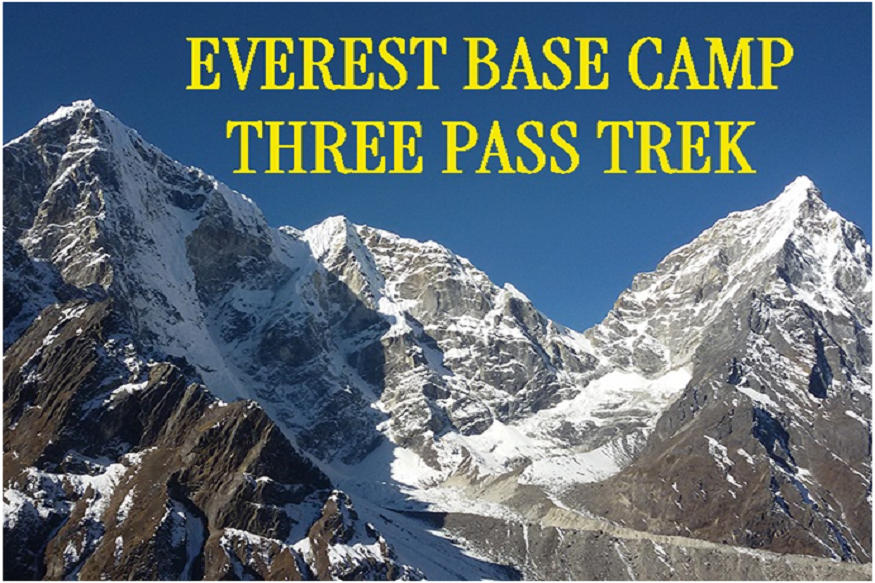
The Everest Three Pass Trek is for very brave walkers. Not only do you climb one peak, but you also walk three high passes above 5,000 meters. Passes are Kongma La, Cho La, and Renjo La. This trek is longer, very scenic, and very hard sometimes, but the reward is amazing. You see Everest, Lhotse, Ama Dablam, Nuptse, glaciers, lakes, small villages, and monasteries. The trek starts from Lukla, walking to Namche Bazaar, acclimatizing, visiting small villages, and staying in tea houses. The first pass of Kongma La is scary but doable; you need crampons and ice axes sometimes. Cho La is second, with small glaciers, rocks, and icy paths. Renjo La’s last pass is amazing, like a postcard. Walk between passes and see Gokyo Lake, beautiful turquoise water, and mountain reflections.
The Everest Three Pass Trek is very good for people who want adventure, photography, challenges, and high-altitude experience. Many trekkers do not sleep in big hotels; you sleep in teahouses, small warm rooms, with simple food, dal bhat and noodles, and hot tea every night. Tips for Everest Three Passes Trek: good shoes, high socks, gloves, headlamp, water, and energy bars. Also, trekking poles help very much. Acclimatize slowly; do not rush. Walk slowly, enjoy mountains, and breathe deep.
Comparison of Peaks and Trek
All these peaks and treks have their own magic. Island Peak is a good first summit; Lubuche is small but proud; Mera is very high and scenic; and the Everest Three Pass Trek is a long adventure with many passes. If it’s your first time in Nepal and you want to climb, Island Peak is friendly, Mera Peak is a bigger challenge, Lubuche Peak is a little extra fun, and the Everest Three Pass Trek is for real adventure seekers. Many people combine these: do EBC first, then Lubuche, then Island or Mera. Every path teaches a lesson: patience, breathing, walking, and respecting mountains.
Tips for Climbing and Trekking in Nepal
- Fitness is important: you need strong legs, good lungs, and a good heart. Daily walking before the trip helps.
- Acclimatization: do not rush to high mountains. Headache, nausea, and breath problems come if you rush.
- Clothing: layers, jacket, gloves, hat, sunglasses, boots, and socks. Snow is bright; cold is sharp.
- Guides and Sherpas: They know paths, snow, and weather. Respect them and listen to them.
- Food and Water: Eat enough, and drink water, energy bars, noodles, and dal bhat.
- Equipment: crampons, ice axe, ropes (sometimes), and walking poles. Do not leave home without it.
- Mental Strength: Climbing is not only for the body but also for the mind, which is strong too. Sometimes you feel tired, scared, or cold. Keep calm, step by step.
Why Choose Nepal for These Adventures
Nepal has everything for adventure lovers: tall peaks, friendly people, small villages, monasteries, culture, food, clouds, and snow. You feel like you are in another world, but people smile, tea houses are warm, and mountains are always there. Island Peak, Lobuche Peak, Mera Peak, and the Everest Three Passes Trek are not only adventures; they are life experiences. You can do a small trek first, then a big peak. You can see the sunrise, sunset, snow, glaciers, yaks, prayer flags, and Himalaya colors changing every hour. Every step teaches patience, respect, and love for mountains.
Best Time for Climbing and Trekking
Nepal has the best seasons for high mountains: spring (March–May) and autumn (September–November). Spring has flowers, rhododendrons, warm days, and cold nights. Autumn has clear skies, the best mountain view, fewer clouds, and sometimes festivals. Winter is very cold; summer has monsoon rain, which is difficult sometimes.
Read More:How Couples Can Find the Best Date Night Restaurants in Dubai
Safety and Health
High mountains are no joke. Altitude sickness comes fast, the cold is strong, and the wind is biting. Always carry small first aid and medicine for headache, diarrhea, and cold. Listen to guides, walk slowly, sleep enough, drink water, and eat. Insurance is very important.
Conclusion: Walk, Climb, Feel the Mountains
Nepal is a gift for mountains, adventure, and walking in clouds. Island Peak Climbing, Lobuche Peak Climbing, Mera Peak Climbing, and Everest Three Pass Trek all give special memories, special stories, and special heartbeats. People come alone and leave full of experience, friends, and happiness. Mountains teach patience, respect, and love. If you love adventure, Nepal is calling. Walk, climb, and see clouds, snow, and peaks; feel wind. Every step is a story, every summit is a dream, and every pass is a challenge. You will never forget this land of the Himalayas, yaks, tea houses, small villages, and giant peaks. Your heart beats with mountains, your eyes are full of snow, and your soul touches the sky.
Nepal is waiting, mountains are waiting; you just need to take steps.